
by Richard Daley
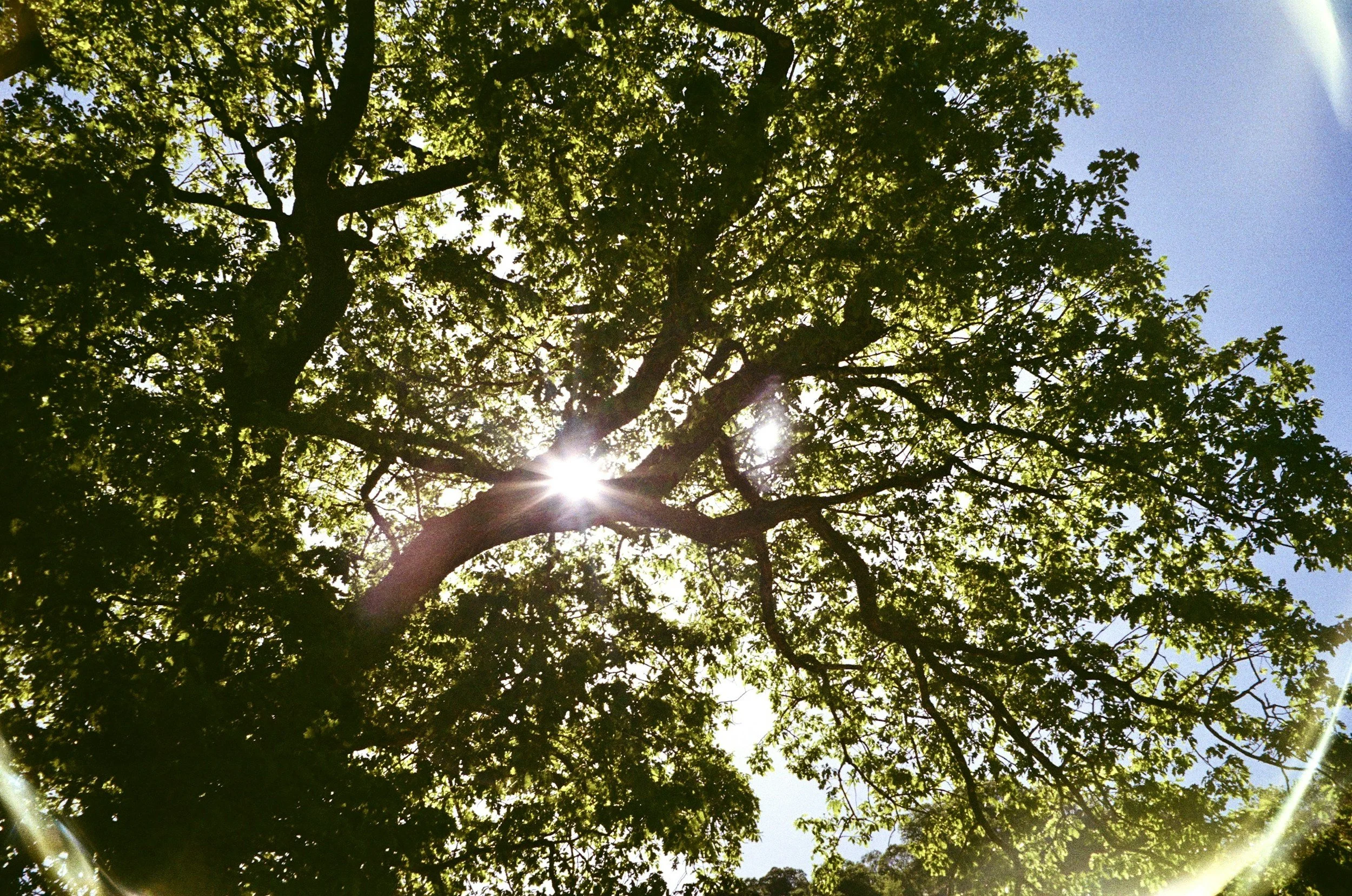
As a youngster, I spent countless hours wandering the woods of the Catskills. I wish I had looked up more than ahead, because when I did look up I found myself admiring the structure of tall trees, the way light moved through leaves, and experiencing the coolness beneath a dense canopy even on the hottest days of summer.
Long before I humbly attempted to understand the ecology of the woods, I felt instinctively drawn to trees and shrubs, especially those that offered food: the mulberry at the edge of the field up the road, the blackberries tangled through an old stone wall along the property line, the hickories scattered throughout the woods, and especially the wineberries, a so-called “invasive” plant, that grew beside my childhood home. I can still remember gathering those tart red berries for my cereal on summer mornings. To this day, those memories remind me that our relationship with the living world is often far more nuanced than the simple categories we assign to it.
Today, as our summers seem to grow hotter and our communities search for ways to adapt to the ecological instability of our time, I find myself returning again and again to tree crops: fruit and nut trees, berry-producing shrubs, and the broader vision of edible perennial landscapes. Far from mere daydreams, these plants are more than sources of food. They are living infrastructure; cooling the air, building soil, holding water, supporting wildlife, and providing nourishment year after year with relatively little human intervention.
A mature tree does far more than stand strongly in place. Trees cool and temper the world around them through shade and transpiration, releasing moisture into the atmosphere as part of the hydrological cycle. Walk beneath a grove of trees, food-bearing or otherwise, wooden friends nonetheless, and, especially in July, you will immediately feel the difference. We have all felt the air become softer, more humid, more alive.
Trees slow wind, build soil, hold water, reduce erosion, provide habitat, store carbon, and support countless insects, birds, fungi, and microorganisms. In many ways they create their own climate within climates, one in which we feel most comfortable.
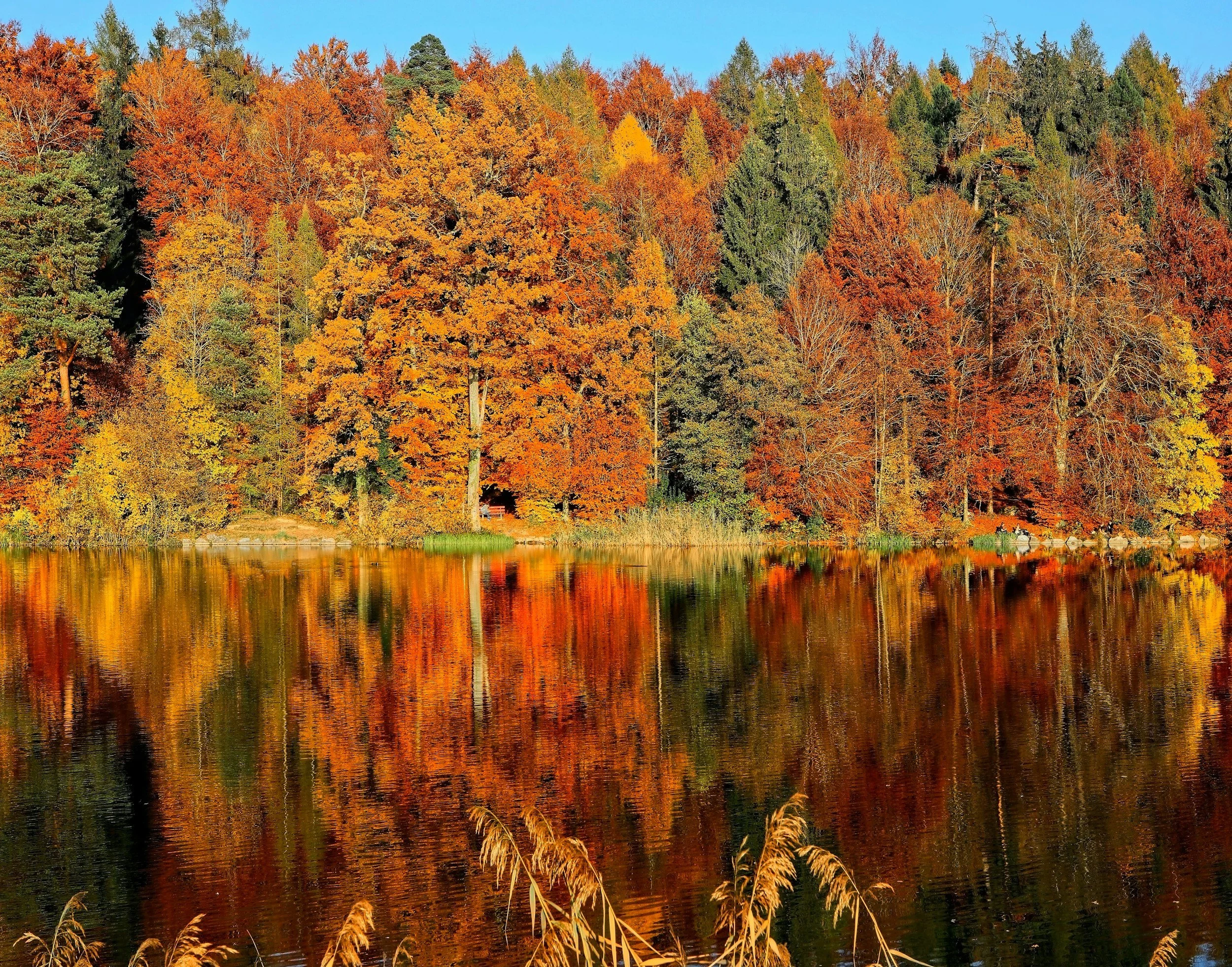
Unlike annual agriculture, with its constant demands and seasonal urgency, perennial systems often ask comparatively little of us once established. A tomato planting may require tillage, continual laboring of irrigation, trellising, pruning, and fertility management. But a healthy chestnut, persimmon, mulberry, or hazelnut planting can nourish generations while quietly participating in the life of a place. In Sicily, there are chestnut trees believed to be thousands of years old, living beings that have outlasted kingdoms and entire eras of human history. Tree crops invite us into a very different relationship with time.
This is not a new idea. Human societies across the world historically depended on tree crops and perennial food systems for both human food, and forage for their animals. Here in the Northeast, Indigenous communities stewarded complex forest ecosystems long before industrial agriculture emerged. In many parts of the eastern United States, the American chestnut once formed the backbone of entire forest communities. Before the chestnut blight arrived in the early 1900s, billions of American chestnuts stretched from Maine to Georgia, producing immense annual nut harvests for both humans and wildlife.
The loss of the American chestnut remains one of the great ecological tragedies of North American history. An introduced fungal disease known as chestnut blight swept through eastern forests and effectively erased one of the continent’s most important tree species within a matter of decades.
But the story of the chestnut is not only one of loss.
Across the Northeast, people continue working to restore and strengthen chestnuts through breeding programs and conservation plantings, and important hybridization efforts that combine the resilience of Asian chestnut species with the form and ecological role of the American chestnut. Many of these newer hybrids already demonstrate how thoughtful human intervention can help repair damaged ecological relationships when we choose the role of caretaker over conqueror, steward over exploiter.
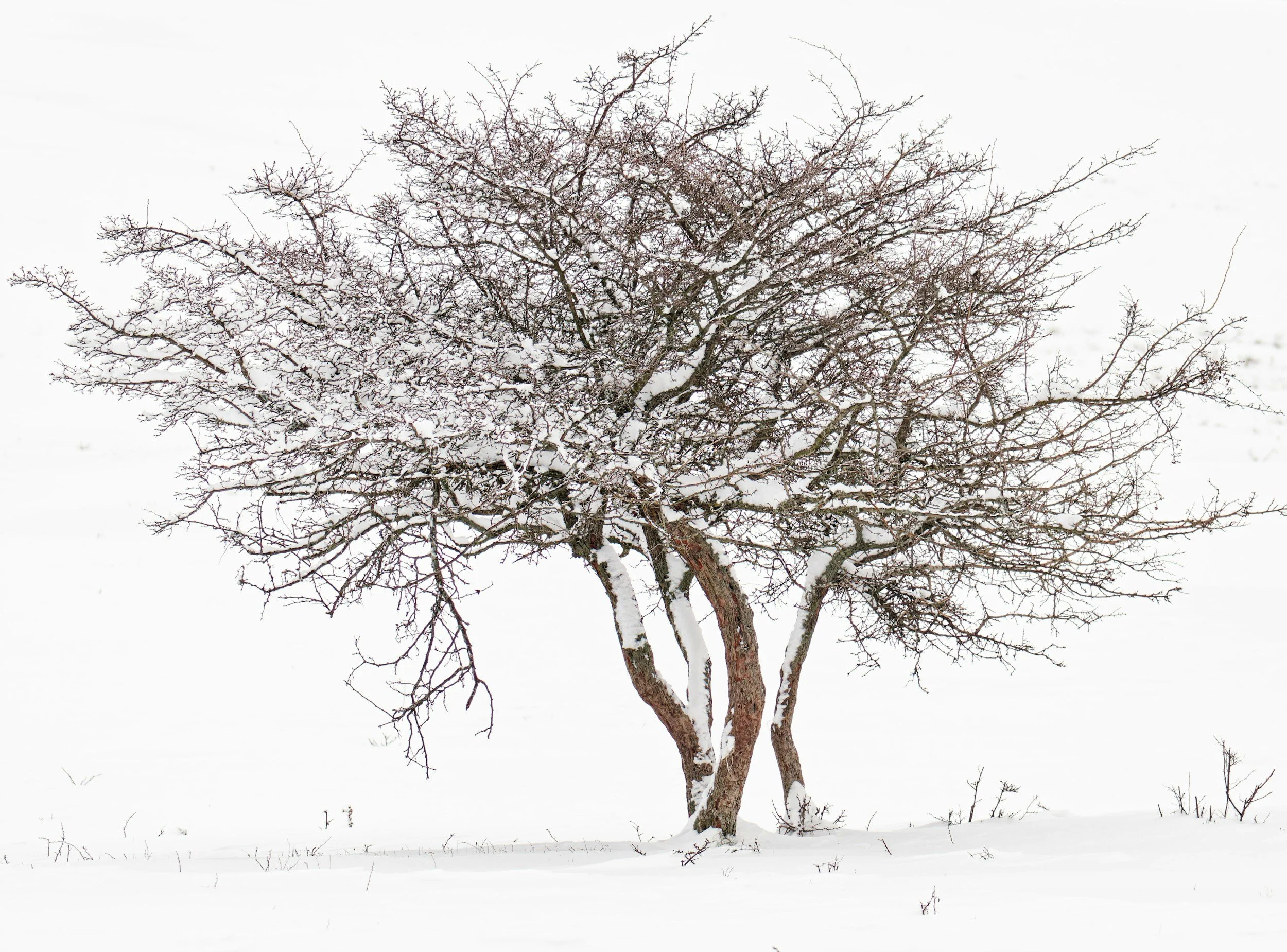
To me, these efforts represent something larger than simply saving a species. They remind us that ecological restoration does not always mean attempting to recreate some fantasy of an untouched wilderness. Rather, sometimes it means participating humbly and carefully in the healing of damaged systems.
And chestnuts are only one example.
Many resilient perennial food plants already thrive in our region: elderberries, serviceberries, hazelnuts, pawpaws, aronia, beach plums, currants, mulberries, heartnuts, hybrid persimmons, and disease-resistant hybrid chestnuts. Some are native and others are carefully selected hybrids capable of tolerating pests, diseases, and climate stresses that older varieties struggle against. Together, these plants can form diverse edible landscapes that support pollinators and wildlife alike, and of course greatly benefitting human communities.
Importantly, these systems do not need to exist only on farms. They belong in schoolyards, church grounds, parks, neighborhoods, food co-ops, and backyard gardens alike. A single mature shade tree can dramatically reduce heat, especially in urban environments. A hedgerow of berries can feed birds and people alike. A community orchard can become both a gathering place and a food source when grocery prices can be unmanageable for many of our neighbors.
In a culture obsessed with immediacy, trees ask us to think differently about time. Planting a chestnut or an apple is an act of faith in the purest sense. Most of us plant trees whose full shade we may never sit beneath, yet this is precisely what makes this act powerful. Trees embody continuity beyond the self. They connect generations.
Perhaps this is one reason so many people feel emotionally drawn to trees. We intuitively recognize that they participate in forms of patience and reciprocity that industrial society often forgets.
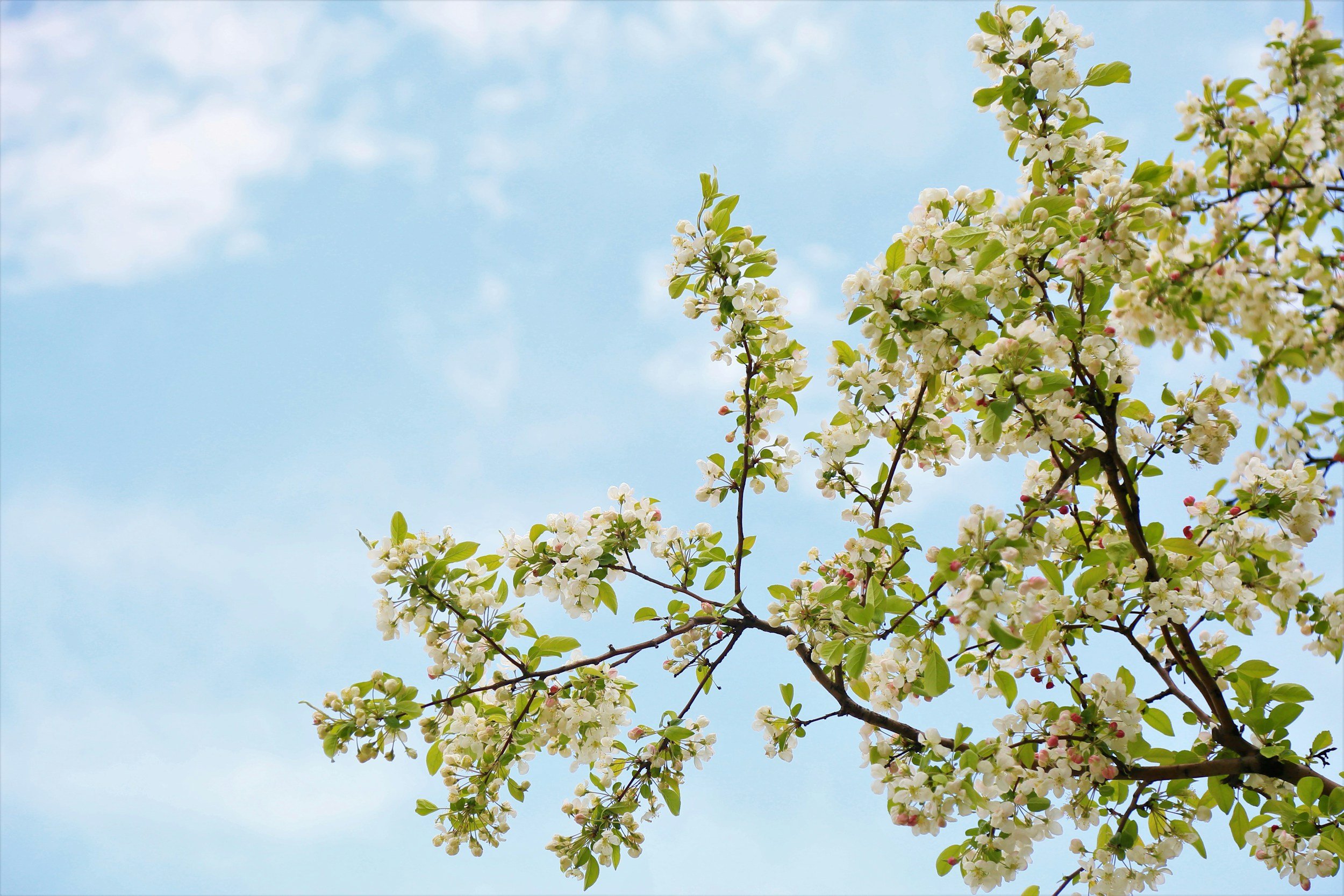
As the summers seemingly grow hotter, I suspect many of us are longing not only for cooler temperatures, but for cooler ways of living; ways rooted less in extraction and haste, and more in stewardship and community. We yearn for a slower, deeper relationship with the living world around us.
Planting perennial food systems will not solve every ecological crisis we face, but fruit and nut trees offer something increasingly rare in modern life: a practical act of hope grounded in material reality. They feed us, cool us, shelter us, and remind us that restoration begins slowly, season by season, root by root, and sometimes, simply, by planting a tree.
The Editorial team recommends The Overstory by Richard Powers as a deeper dive into the life and relationships of trees and forests and how they impact humans.